

Where Welcome Becomes Practice
What does it look like to choose welcome after the advocacy meetings end, the speeches are over, and everyone returns home?
The lessons I learned during Advocacy Day— hope, showing up for one another, and the power of listening— do not stay in Washington, D.C. They apply to all of us, wherever we live.
I see that every week in Utah, where I attend university, and in my hometown of North Las Vegas. In both places, I have witnessed what welcome looks like when it becomes more than a slogan and becomes a practice lived out through community.
I have watched English-language classes help people gain confidence and access new opportunities. I have sat with immigrant children as they have learned to read, communicate in English, and connect with their peers. I have seen food banks strengthen entire neighborhoods and cultural festivals bring together people from different backgrounds who might otherwise never cross paths.
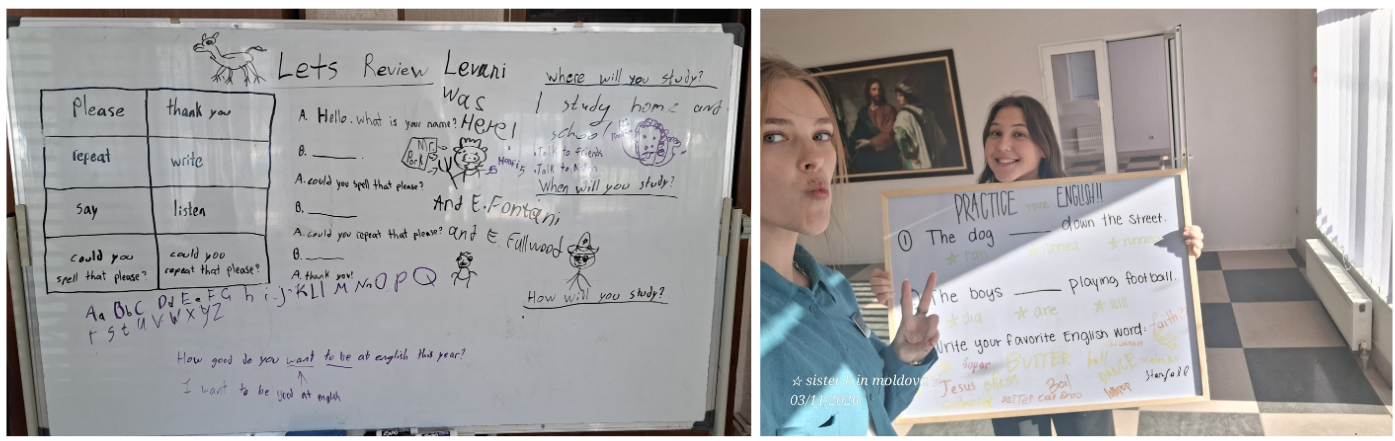
At first, many of these experiences felt intimidating. Stepping into unfamiliar spaces and meeting new people can be uncomfortable. Yet getting involved was far easier— and far more meaningful— than I ever imagined.
Two simple examples were starting a scripture study group, where every Sunday we read together in our native languages, and organizing a casual soccer group where anyone in the community could join us every Tuesday evening. As we played and read together we had the chance to take a step away from the pain of the world and just be together. One week at scripture study, we chose to all read in Ukrainian for my friend Sofii, who was worried about her parents back home after a recent missle strike. In that moment, what could have been a standard study group became something more. We were a community willing to carry one another's burdens. By the end of the evening, many of us had tears in our eyes and we had laughed enough that it hurt. What began as simple weekly gatherings became places where people found friendship, support, and a deeper sense of belonging.
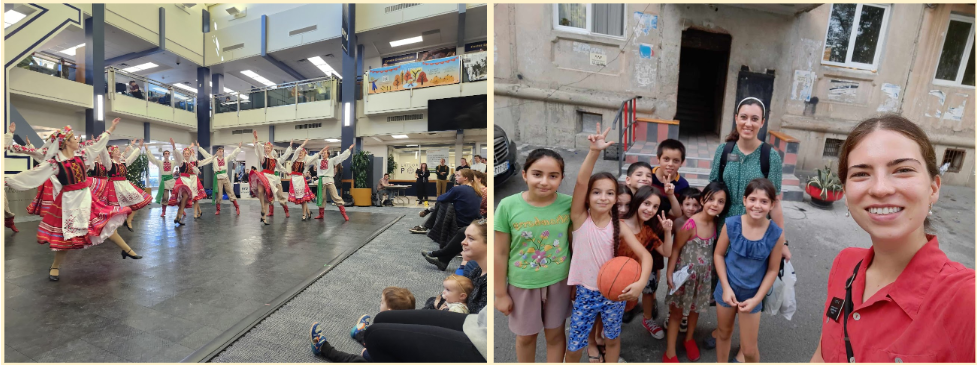
The differences in language, culture, and experience that could have divided us instead strengthened us. As we shared perspectives and built on one another's ideas, friendships grew far beyond our meetings and games. Through those relationships, I learned about new opportunities to serve. One of those connections led me to my close friend Michelle, who introduced me to teaching English and helping others build cultural fluency every Saturday morning at our community center.
Again and again, I have seen how communities grow stronger when newcomers are given opportunities to participate, contribute, and belong.
These experiences have reminded me that welcome is more than an abstract idea. In a time when it is so easy to become cynical about whether real change is possible or if anyone is listening, they have shown me that welcome is worth believing in because it truly makes a difference. But welcome does not happen on its own. We build it through relationships, service, and a willingness to invest in one another.
At the same time, these experiences have reminded me that our responsibility does not end there. The relationships we build and the care we have for our communities should also move us to action. We can use our voices, our resources, and our privilege to create lasting change beyond our immediate circles. With many of the barriers people face shaped by policies and systems, advocacy matters too.
Many people imagine advocacy as something that only happens in Washington. The truth is that some of the most important advocacy happens much closer to home.
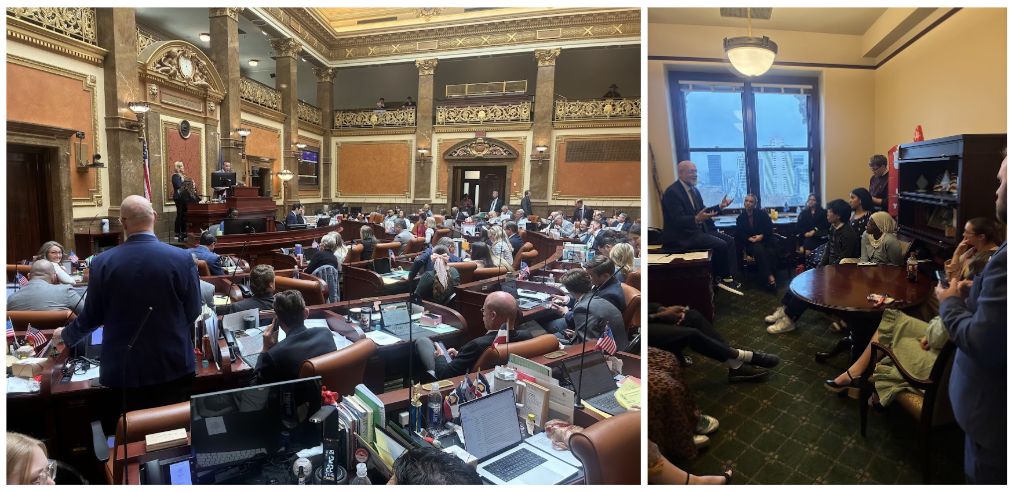
During my time as an intern at the Utah State Legislature, I learned that public policy is often more personal than people realize. Conversations with constituents frequently shaped how lawmakers understood an issue and, in many cases, were the sole inspiration for the legislation itself.
Hearing directly from someone affected by a proposal can reveal impacts that never appear in a committee report or policy brief. Those conversations do not always change minds, but they often deepen understanding— and understanding is where meaningful solutions begin.
I witnessed this firsthand during debates over immigration-related legislation in Utah. Community members shared stories about their lives, their families, and the challenges they faced. For some lawmakers, it was the first time they had heard directly from the people who would be affected by the policies under consideration.
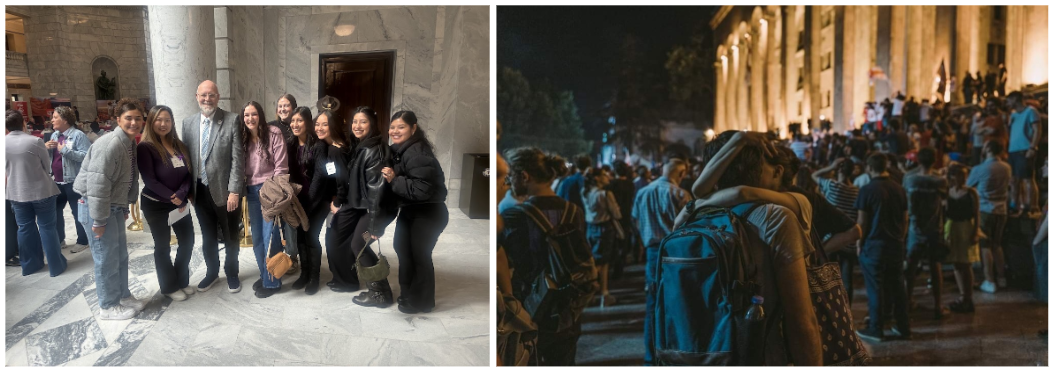
During one debate, I listened as community members described how a proposed policy could affect their ability to work, care for their families, and feel safe in their communities. Their testimony provided context that statistics and political talking points alone could never offer. It reminded legislators that behind every policy debate are real people. People who contribute to their communities, are essential to and belong in them, and whose lives would be shaped by the decisions being made.
Those conversations made a difference. They helped stop proposals that would have harmed families and inspired efforts to pursue more constructive solutions.
Too often, we underestimate our ability to create change because we assume someone else is more qualified, more knowledgeable, or more influential.
But democracy depends on participation. The same values that drive advocacy in Washington are the values that build belonging in our neighborhoods: listening, showing up, and recognizing our shared humanity.
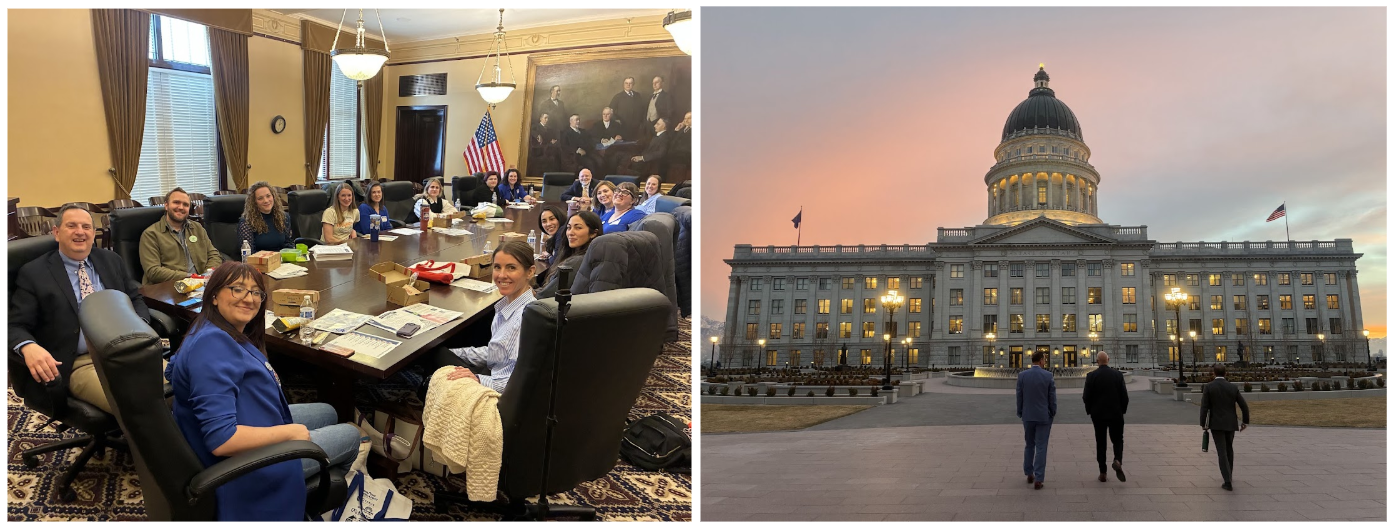
I guarantee that opportunities to choose welcome exist in every community including yours. I guarantee that they need you. Volunteer with a local organization. Help teach English. Attend a cultural event. Support a food bank. Introduce yourself to a neighbor. Reach out to an elected official when an issue matters to you.
Most of these actions will never make headlines. Yet lasting change rarely begins with grand gestures. More often, it grows from ordinary people investing their time, attention, and care in the communities around them— where welcome becomes practice.
As we have just celebrated our 250th anniversary, we have an opportunity to reflect on the kind of country we want to be. Will we be a nation defined by fear and division, or one defined by welcome, opportunity, and community?
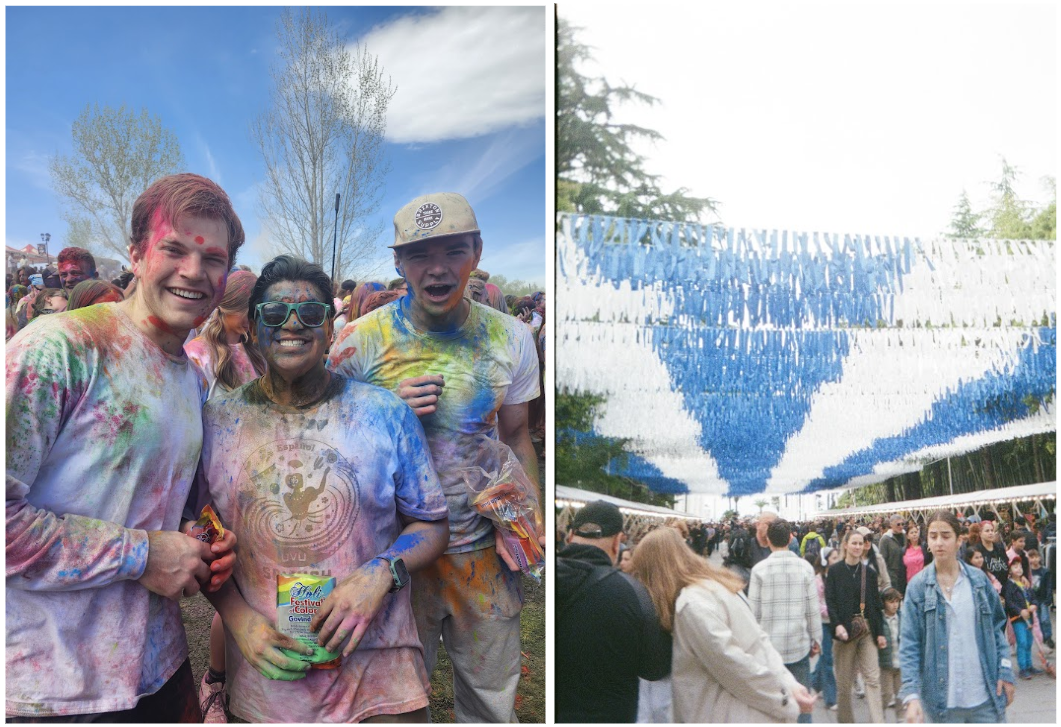
The answer will not be determined solely in Congress or in state capitols.
It will be determined by people like us.
By neighbors.
By volunteers.
By advocates.
By community members willing to take one small step toward building a more welcoming future.
I urge you to take that next step.
Be brave for the people you care about.
Be brave for your community.
Be brave for a future that is more welcoming, more joyful, and more inclusive for all of us.
Together, we can keep choosing welcome.
