

by Ivette Valdez
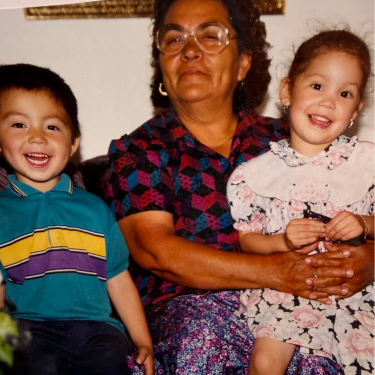
"...the word bracero comes from the word brazos, or arms, so there is a literal disembodiment of the worker. Bring us your arms to do the labor, but we don't care about the rest of your body." - Dr. Matthew Garcia
My Abuelo, El Bracero
My grandfather, Atanacio Moreno, died on the 4th of July, 2001.
I was 10 years old, and while other kids waited for the sun to set and the fireworks show to begin, I was grieving the man who had been a steady presence in my life. The man I could always find in the house down the street, weaving Bible covers out of potato sacks, collecting plastic bottles to recycle, sneaking in a Coca-Cola, which my grandmother strongly disapproved of, all while having a pocket full of butterscotch candy in case one of his forty-plus grandkids came to visit. At his funeral, I heard my uncles mention that my grandfather had been a Bracero. I wasn't sure what that meant, but I could tell by the way they said it that it was something to be proud of. So I was.
History has always been my favorite subject. From middle school through high school, I can still picture which classroom I was in when I learned about the Declaration of Independence, the Civil War, and the civil rights movement. As much as I enjoyed those lessons, they always felt like distant stories about an America that, as far as I knew, had only recently come to include me and my family.
Then I took a Mexican American Studies course in college, and for the first time, I saw my family's story intersect with American history. When my professor began a lecture on the Bracero Program and its role in helping the U.S. navigate labor shortages during and after World War II, I remember wanting to scream. Is he talking about my abuelito? I could not believe this chapter of American history was about my grandfather. About us. I was also angry it had taken so long for me to hear it taught in school. But I digress.
I later asked my grandmother and my mom what they knew of my grandfather's time as a Bracero. Like many Mexican men of his generation, he had been a man of few words, so they didn't know much beyond the fact that for years, he came to the U.S. for months at a time on temporary work contracts, until he finally decided to stay and arranged for his wife and kids to cross the border and join him.
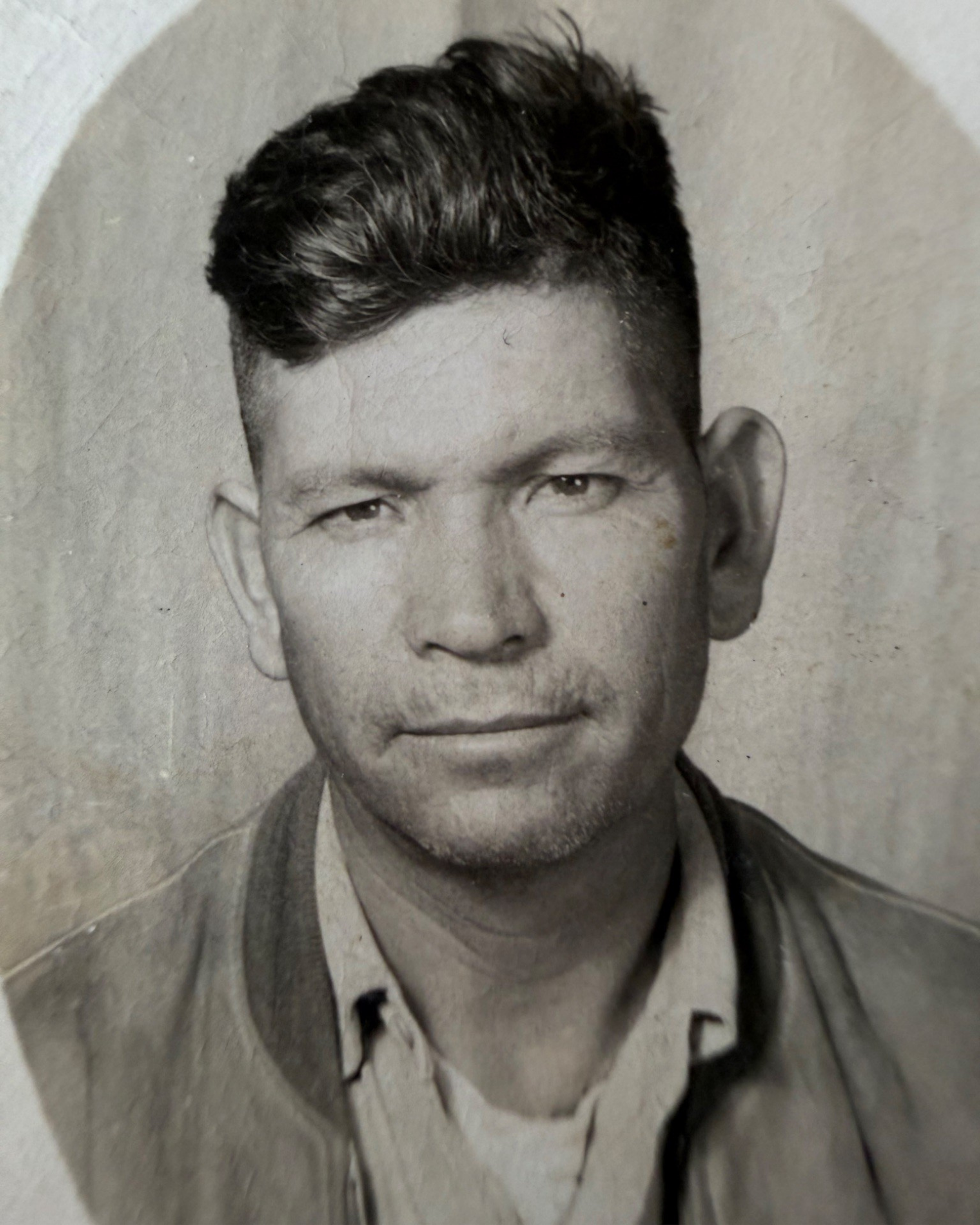
My abuelito Atanacio during his years as a Bracero.
In 2020, I learned of the Smithsonian's Bracero History Archive, an online collection of stories and photos documenting the program. I spent weeks during the pandemic going through the photos and reading stories. Eventually, I found podcasts of Braceros sharing their experiences in their own words. In their voices and first-hand accounts, I saw my grandfather, and 19 years later, I grieved him all over again. I grieved that I never had the chance to ask him about his experience myself. I grieved as I imagined what he must have felt and endured during those years, and I grieved that this country, the one I loved, failed to see him as more than the labor it could extract from him. I was still proud to be the granddaughter of a bracero, but now, I was heartbroken, too.
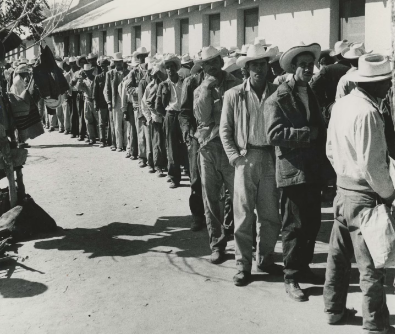
Braceros waiting in line at a processing center in El Paso, Texas.
The Bracero Program
The Bracero Program was a bilateral agreement between Mexico and the United States, created to address labor shortages that emerged in the U.S. during World War II, although the program went on long after the war. Men in rural parts of Mexico needed jobs and the U.S. needed a work force. From 1942 to 1964, 4.6 million agricultural and railroad labor contracts were issued, with many men returning multiple times to work under different contracts.
What we name things matters. Bracero comes from the Spanish word brazos, meaning arms. Not a man, a father, a husband, but a pair of arms, traded between two nations for as long as they were useful. The program sought out young, strong men, primarily those with wives and children back in Mexico. A family waiting for them served as assurance they would return. Once recruited, the men were bussed to border processing centers, stripped, and sprayed with DDT, a synthetic chemical insecticide the U.S. government claimed was necessary to prevent the spread of disease. Once in the U.S., Braceros faced harsh living conditions and few worker protections, all while earning 30 cents an hour, the equivalent of roughly $4.50 today.
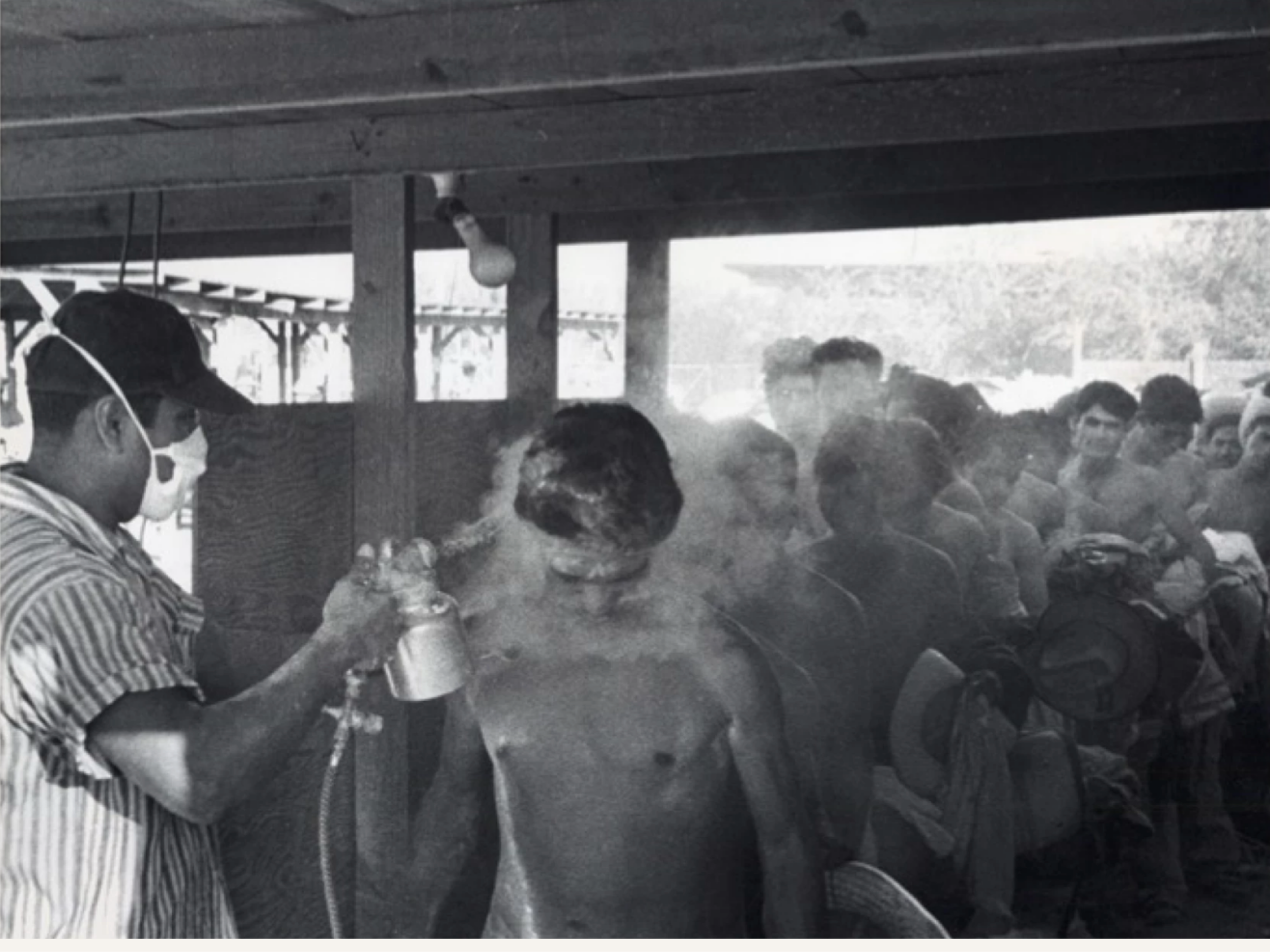
Braceros being sprayed with DDT as part of their health screening, USCIS History Office.
To further discourage overstays, 10% of their wages were withheld and sent to the Mexican government for later disbursement once the men returned home. But most Braceros never saw that money. After decades of demands for accountability, in 2005, without any formal apology for the wage theft, the Mexican government agreed to a flat settlement of approximately $3,400 per Bracero, regardless of how many contracts they had fulfilled. More than 40 years after the program ended, only 49,000 of the 212,000 former Braceros who applied for settlement payments could provide the required documentation to receive them.
By the mid-1950s, the war was over and the number of undocumented immigrants was rising. The U.S. responded with another bilateral action known as Operation Wetback. Again, names matter. This time, the name reduced people to the desperate act of crossing the Rio Grande, a disembodied description meant to degrade and dehumanize. This military-style operation was the largest mass deportation of undocumented workers in U.S. history. Historian Kelly Lytle Hernandez has described Operation Wetback as lawless, arbitrary, and rooted in xenophobia. During this operation, a reported 1.3 million Mexican immigrants were deported, including Mexican American U.S. citizens along with many men who had entered legally through the Bracero Program. Once their labor was no longer needed, their lives were treated as disposable.
What Immigrant Fathers Taught Us
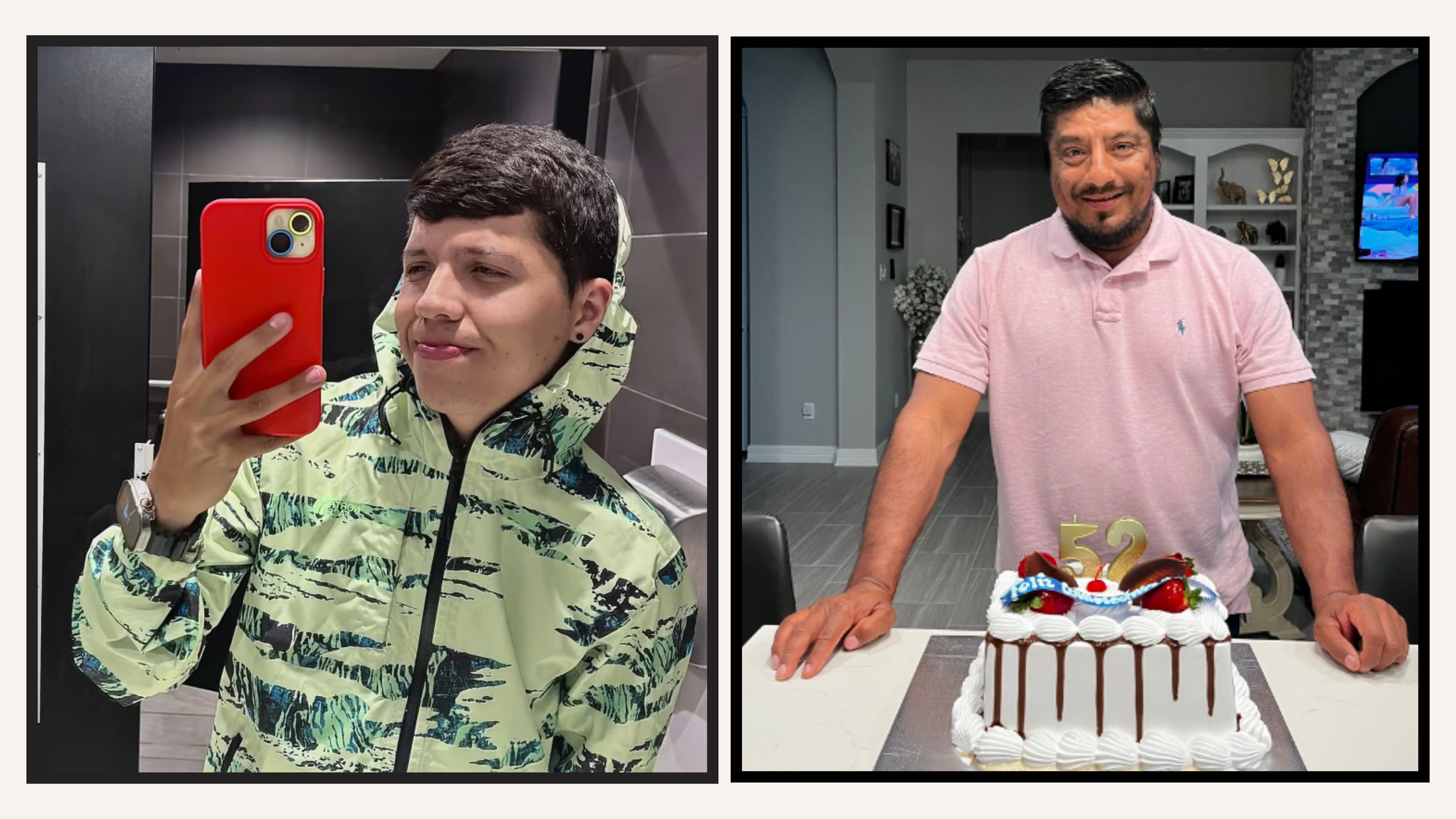
When I read the headlines of the fatal shooting of Lorenzo Salgado Araujo by ICE agents in Houston, Texas and the killing of Johan Sebastián Durán Guerrero, a Colombian father, by ICE in Biddeford, Maine, I grieved for them, their families and for our immigrant fathers all over again. Lorenzo had lived and worked in the U.S. as a construction worker for decades and was in the process of attaining legal residency. Johan had authorization to work and did so cleaning a veterinary office and delivering food. And yet, at the end of the day, regardless of their work or their status, their lives were disregarded, their deaths deemed routine mistakes.
Even in our grief, our anger and our weariness, we can still hold on to what we know to be true about our immigrant fathers. We know that no matter what names are used to dehumanize and vilify them, they cannot be reduced to arms to extract labor from, and they are not targets to aim at. They are more than the work they do and what they contribute. They are men created in the image of God. They are life-long soccer fans, human jungle gyms and carne asada kings. And we, their kids and grandkids and those who love them, are committed to imagining and working toward a future where they can live without fear, work with dignity, and come home to their families. We will grieve when necessary, speak up, and advocate, but whatever we do, we refuse to give up. Quitting is just not what our fathers taught us.
We're so grateful to have Ivette Valdez as part of the We Choose Welcome community. She's a writer, speaker, and Civic Ambassador for the National Latino Evangelical Coalition, where she joins pastors and leaders in faithfully engaging the public square through theological clarity, relational leadership, and nonpartisan civic witness. Connect with her on Instagram at @_simplyivette or at latinaslovingjesus.com/contactivette.
