

Choosing Welcome on Capitol Hill: Reflections from RCUSA Advocacy Days
What does it look like to choose welcome in a moment of uncertainty?
What does it look like to stand up for your neighbors, your community, and the values you believe in– even when it requires courage, time, and sacrifice?
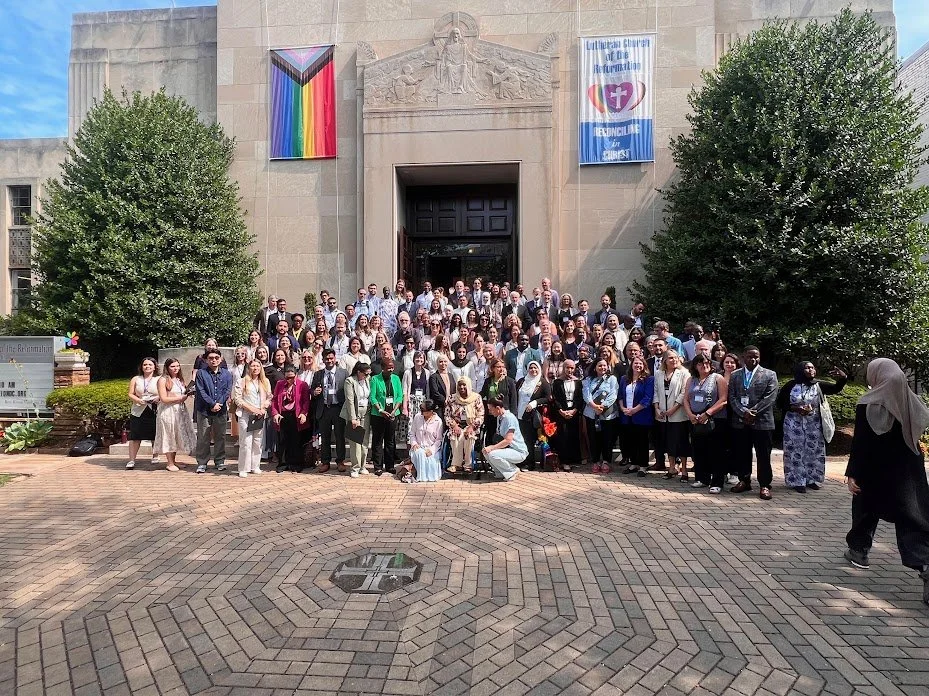
Earlier this June, I had the opportunity to attend Refugee Council USA's (RCUSA) 2026 Advocacy Days in Washington, D.C. Alongside nearly 300 advocates from across the country (including several women from our We Choose Welcome community!) I had the opportunity of meeting with congressional offices and listening to stories that reminded me why advocacy matters so deeply. Participants included refugees, immigrants, faith leaders, service providers, community organizers, and allies united by a shared belief: everyone deserves safety, dignity, and the opportunity to belong and have a real chance at a future.
Together, advocates met with members of Congress and their staff to share their stories and urge support for refugees, asylum seekers, and other newcomers.
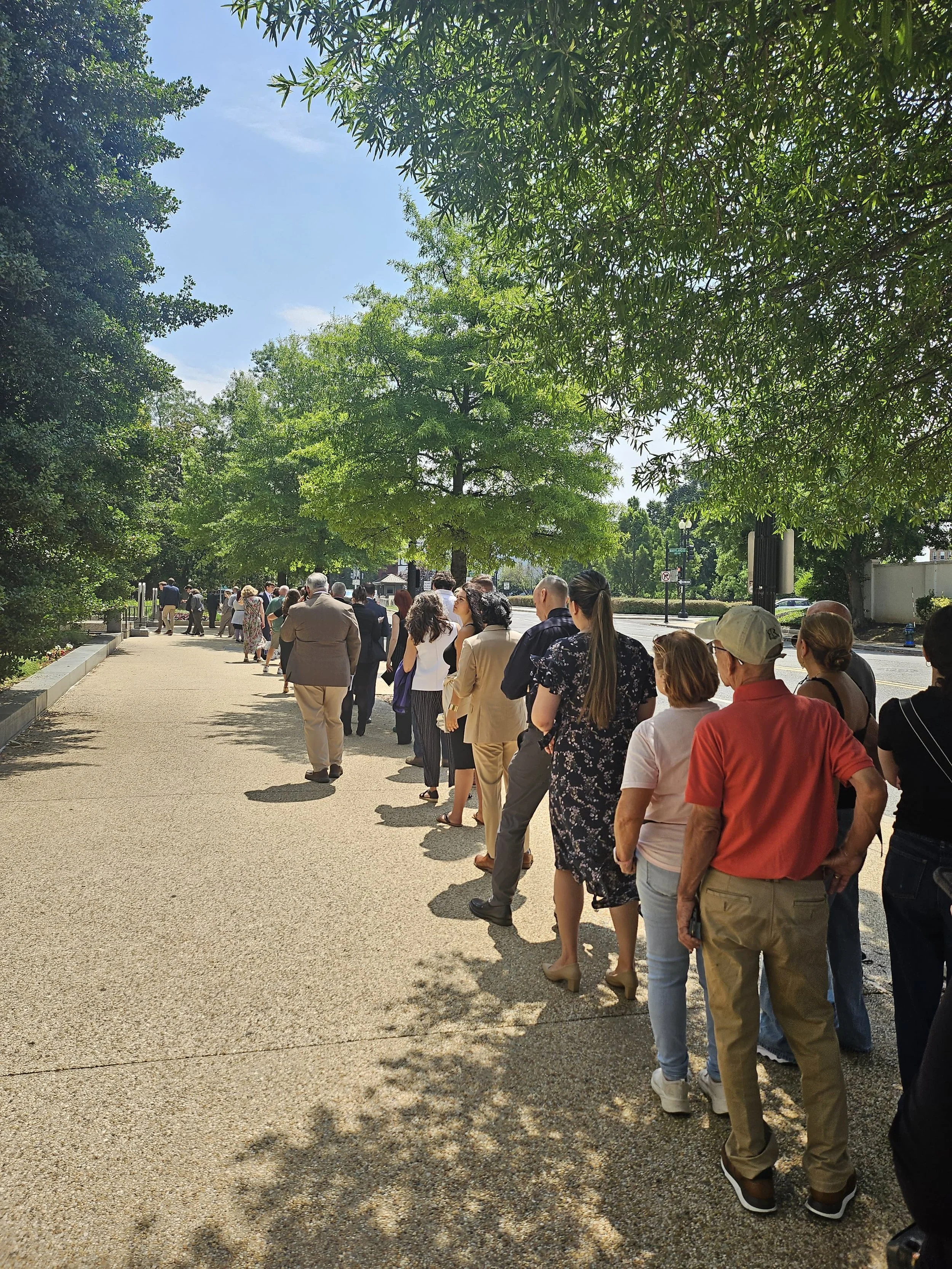
The days were long. The Washington heat was relentless. Lines to enter congressional office buildings sometimes stretched down the street. For many participants, there was also a very real fear of sharing deeply personal experiences or even being there as an immigrant in an increasingly difficult political climate.
Yet they showed up anyway to fight for the people they cared about.
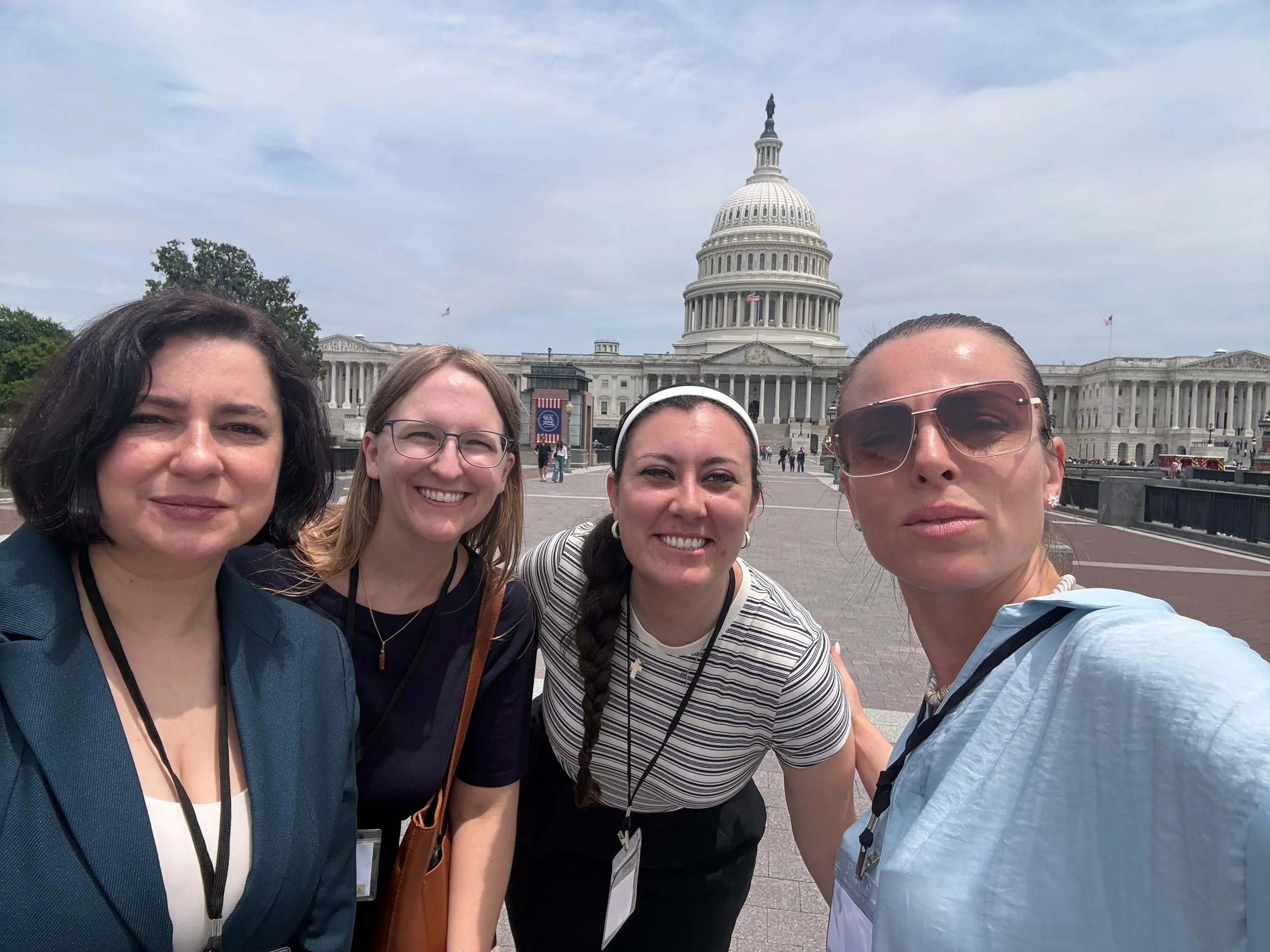
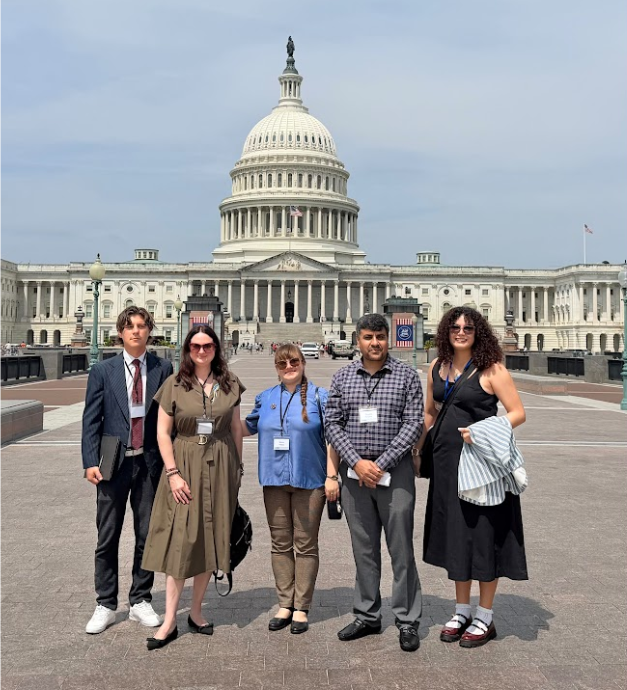
I joined as an assistant accompanier for the Georgia delegation alongside We Choose Welcome's Ashley Glimasinski and RCUSA Program Assistant Olga Diaz-Nasser. Our group consisted primarily of immigrants and refugees, many of whom had never participated in that level of advocacy before.
What struck me most was not their expertise in policy. It was their courage.
One woman shared how the possible loss of Temporary Protected Status would affect her ability to provide for her children and keep her family together. Another spoke about losing access to medical benefits and the fear of not being able to care for her aging mother. An Afghan advocate described his own experience and the experiences of others who had supported U.S. military efforts in Afghanistan and were now struggling to find safety and stability after years of uncertainty and being left behind.
Each story was deeply personal. Each carried real consequences.
Some congressional offices listened intently. Staff members asked questions, expressed concern, and engaged thoughtfully with the issues. Other meetings were more difficult. Some offices appeared disengaged, waiting for the conversation to end or repeating misinformation about immigration.
But regardless of the response, every conversation served a purpose.
Complex policy discussions became grounded in lived experience. Issues that are often debated in the abstract were connected to real families, real challenges, and real hopes for the future.
For many participants, it was their first time meeting with an elected official or congressional staff member. Yet their willingness to speak candidly brought a perspective that statistics alone could never provide.
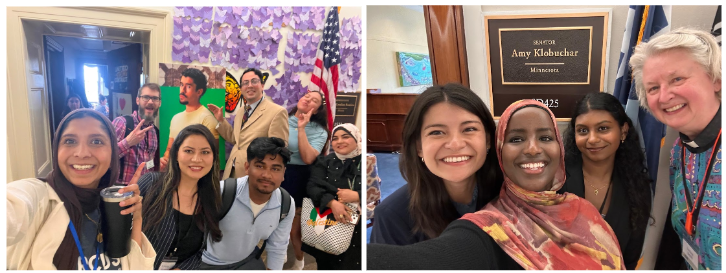
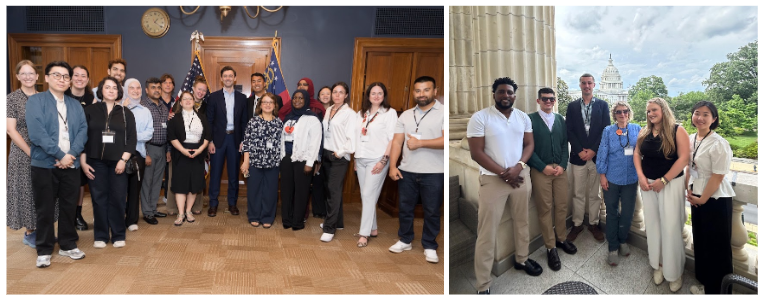
Advocacy Days was ultimately a labor of love. Countless hours of planning, training, coordination, and preparation went into creating space for those voices to be heard. And that effort reflected one of the most important principles of effective advocacy: those most impacted by policies should be centered in conversations about them.
At a time when refugee resettlement remains severely restricted and humanitarian protections face ongoing challenges, Advocacy Days offered something powerful: hope. It was a reminder that people continue to show up for one another, and if we keep speaking up we will be heard.
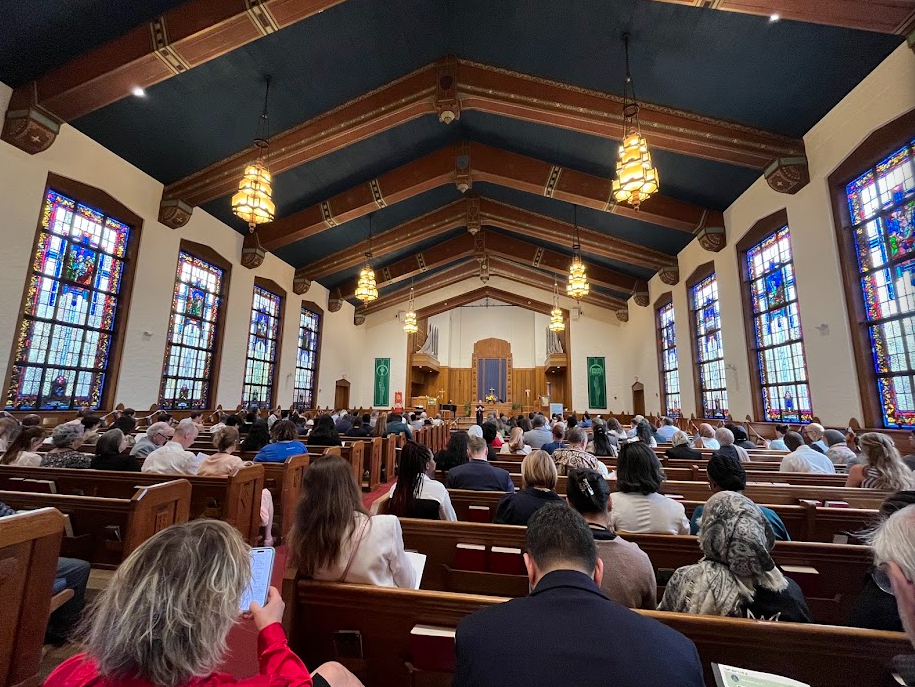
Written by Angela Werner, our summer 2026 intern
