

The World Cup is an Immigration Story
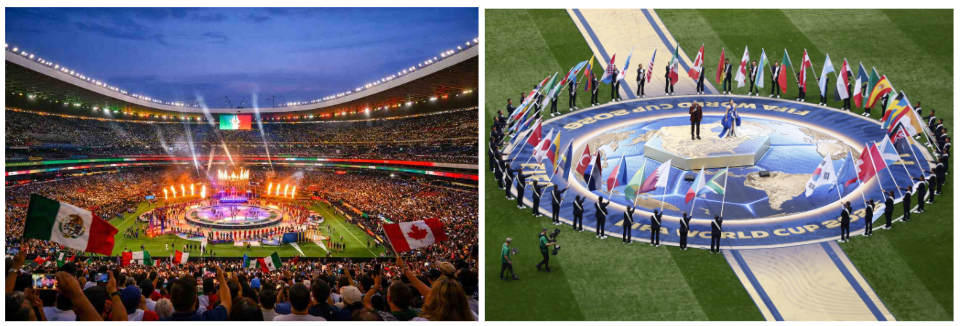
As the FIFA World Cup continues to dominate headlines and pop culture this summer, the opportunity for the United States to host has brought immigration into the spotlight– and has reminded us of the immigration story the World Cup has always told.
Players represent adopted homelands. Fans cross oceans and borders for ninety minutes of football. The tournament can only exist because people move.
(Joseph Chandler)
A Contradiction at the Center
This year, however, that story carries an especially striking contradiction.
The 2026 World Cup, hosted across the United States, Canada, and Mexico, is the largest in history. It also arrives as the United States is carrying out some of the most aggressive immigration enforcement in modern memory. As professor Jules Boykoff put it to NPR:
"On one hand, it has more teams than ever participating. On the other hand, it looks more like a World Cup of exclusion than inclusion."
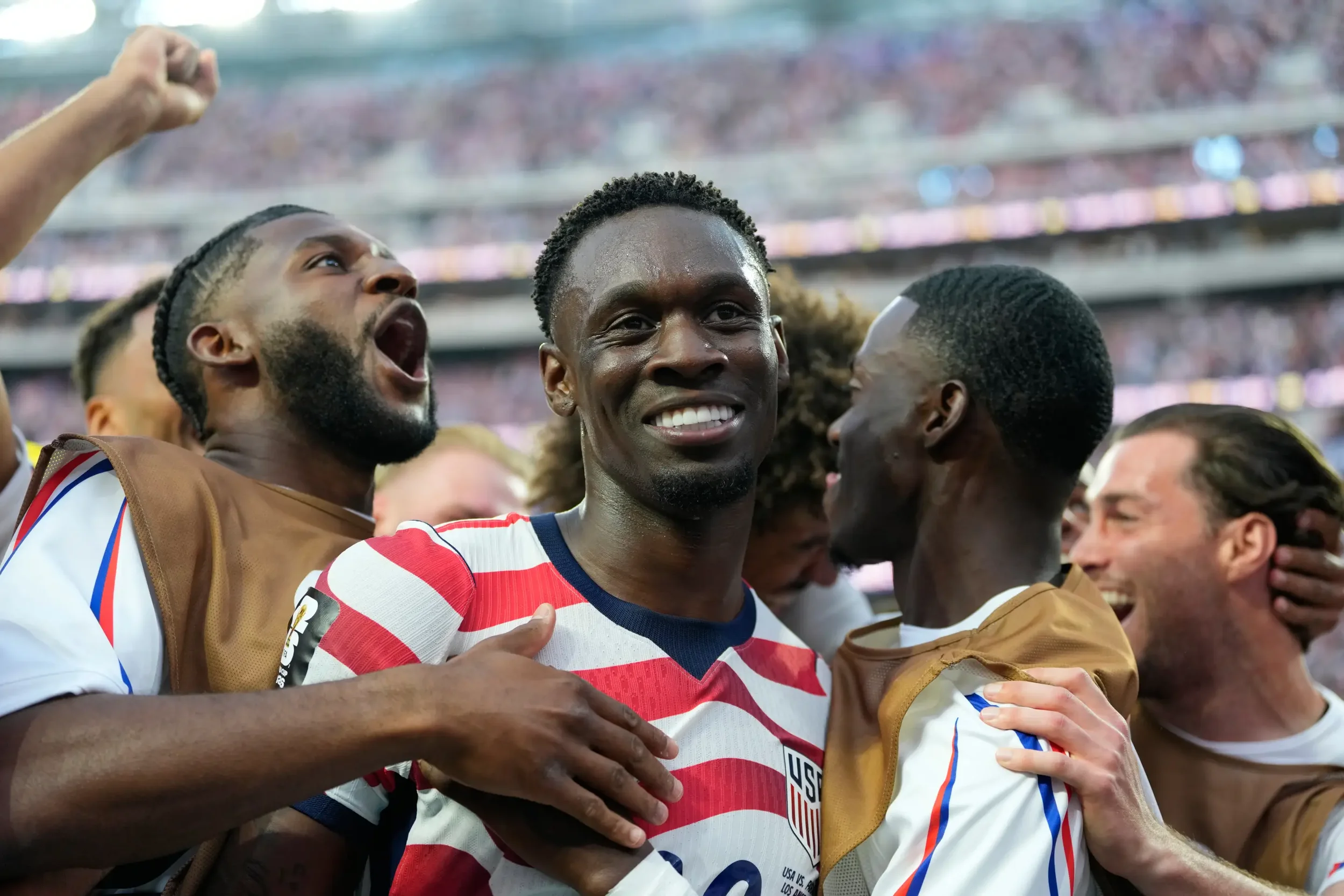
Over two in ten World Cup players have historically been born in a country other than the one on their jersey. This year's U.S. men's national team is no exception with a quarter of the squad born outside the United States.
(AP Photo/Andre Penner)
Folarin Balogun- The star striker scored twice in the opening win over Paraguay and most recently added the opening goal against Bosnia and Herzegovina. Born in Brooklyn to a Nigerian mother visiting from London, Balogun's story illustrates how immigration and birthright citizenship have shaped America and its soccer. Under the Trump administration's proposed effort to end birthright citizenship (which has now been blocked in court) his path to U.S. citizenship could have looked very different, and he may have never represented the United States.
France’s Legacy- Immigration has continually shaped some of the game's greatest teams. France's historic 1998 championship squad, led by Zinedine Zidane, the son of Algerian immigrants, included players with Armenian, Ghanaian, and Senegalese heritage and became a global symbol of what diverse communities can build together. When France won again in 2018, 12 of its 23 players had African parents, and this year's roster continues that tradition with 22 of 26 players being immigrants or sons of immigrants.
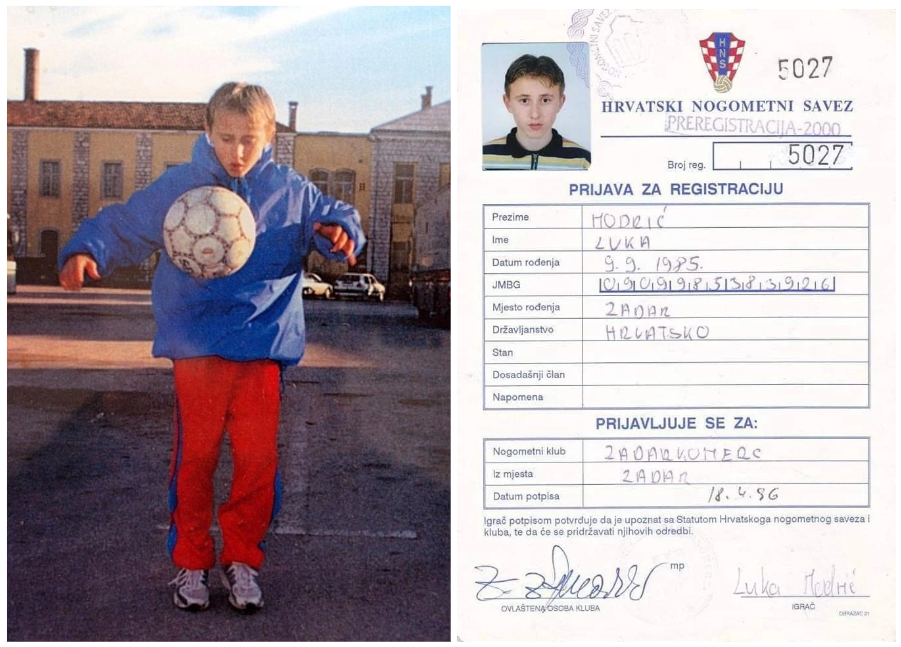
Luka Modric and Worldwide Displacement- Many of those playing in this year’s tournament have lived through and reflect worldwide experiences of displacement. Croatian captain Luka Modrić grew up as a refugee after his grandfather was executed and his family forced to flee during the Croatian War of Independence. He spent years living in refugee hotels, where he learned to play football in parking lots while air-raid sirens sounded overhead. He would go on to become a soccer legend, winning the Ballon d'Or and leading his country to runner-up on the world's biggest stage.
(Luka Modric’s family collection)
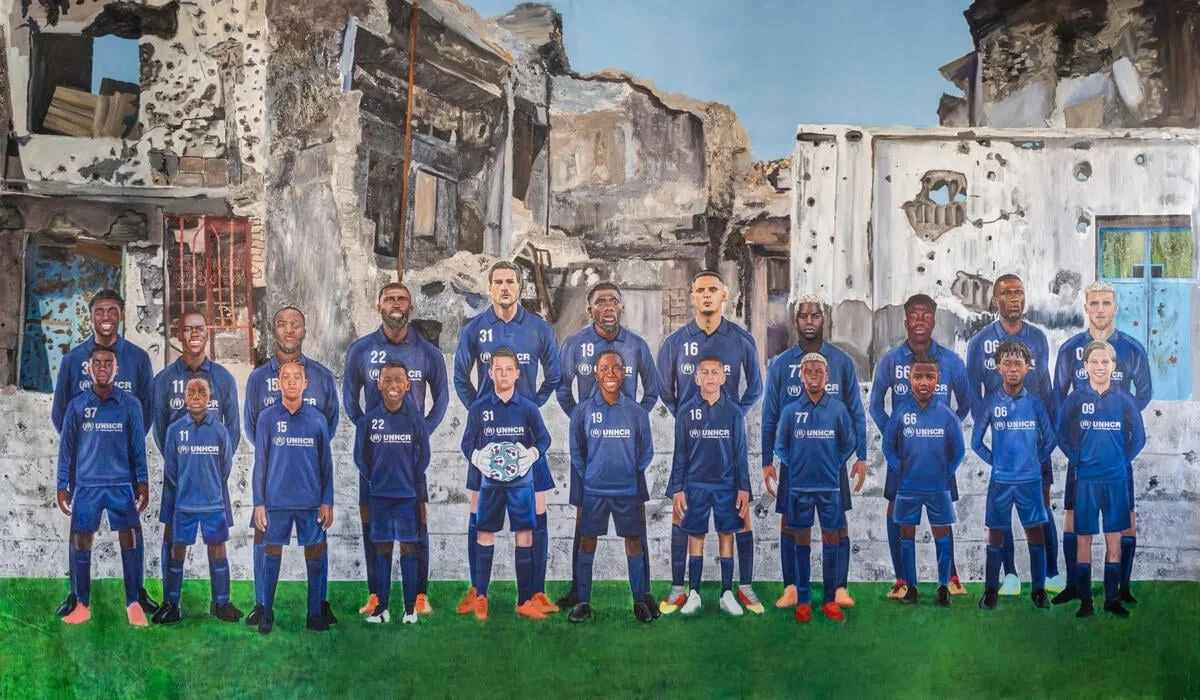
He is far from alone. Canada's Alphonso Davies was born in a refugee camp in Ghana after his family fled Liberia's civil war. France's Eduardo Camavinga was born after his family escaped conflict in Angola. Australia's Awer Mabil was born in a refugee camp in Kenya after his family fled war in Sudan. Many other players have similar stories of migration and displacement that ultimately brought them to the world's biggest sporting event. In recognition of these journeys, the United Nations High Commissioner for Refugees even assembled a symbolic "Gamechangers" team made up entirely of players with refugee backgrounds.
(Devan Head)
Two Realities, One Tournament
Research has found that national teams with more players from migrant backgrounds often perform better, suggesting that immigration has repeatedly strengthened national teams – and, by extension, the communities they represent.
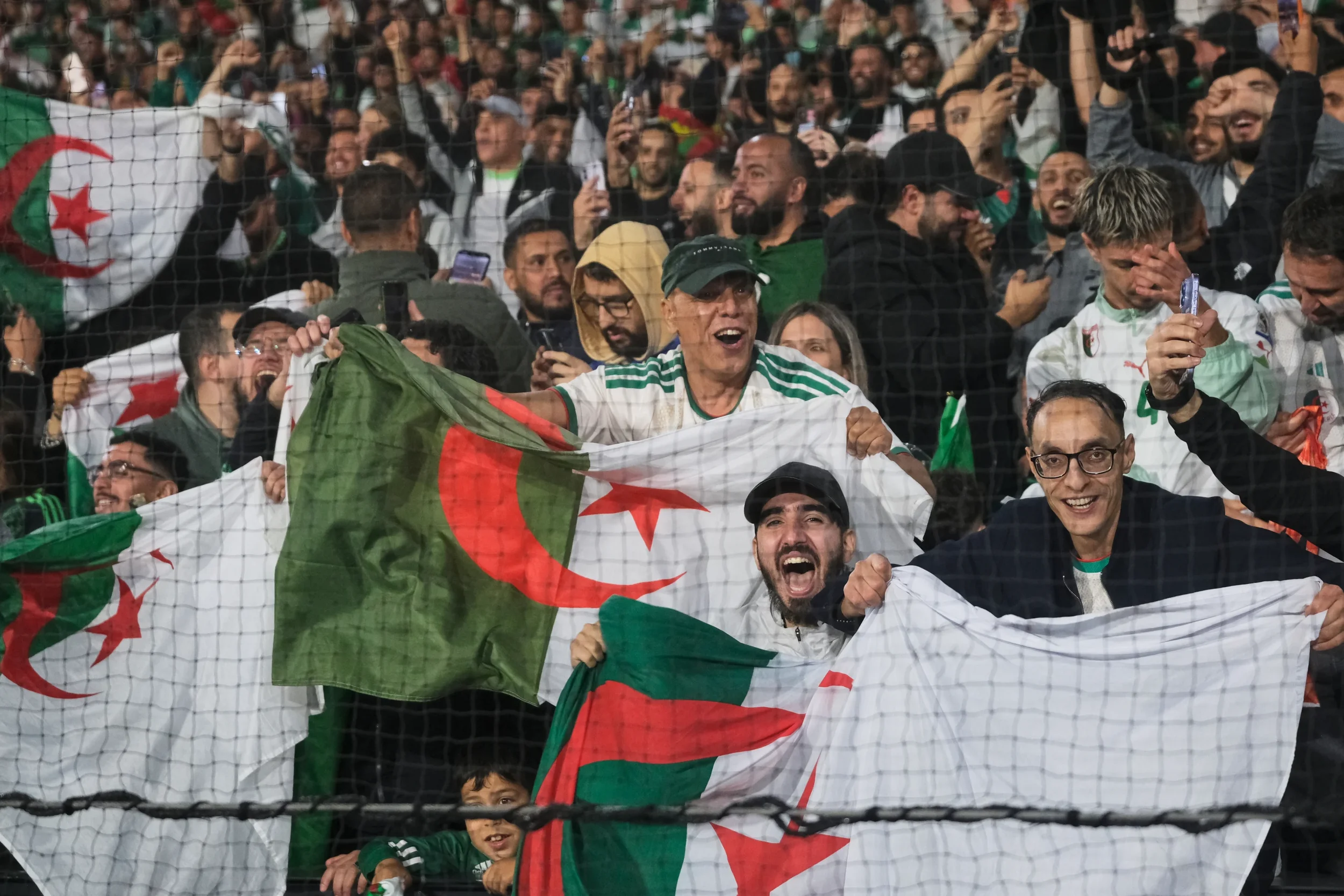
Take Lawrence, Kansas, which embraced Algeria after the team selected it as a base camp. Algerian flags appeared in storefronts, and the University of Kansas marching band learned Algeria's national anthem so players would hear their own country's song as they walked onto the training field. In return, Algeria opened a practice session to local children. One resident summed it up beautifully, saying he knew very little about Algeria before they arrived, but was simply grateful they had come.
(AP Photo/Patrick Post)
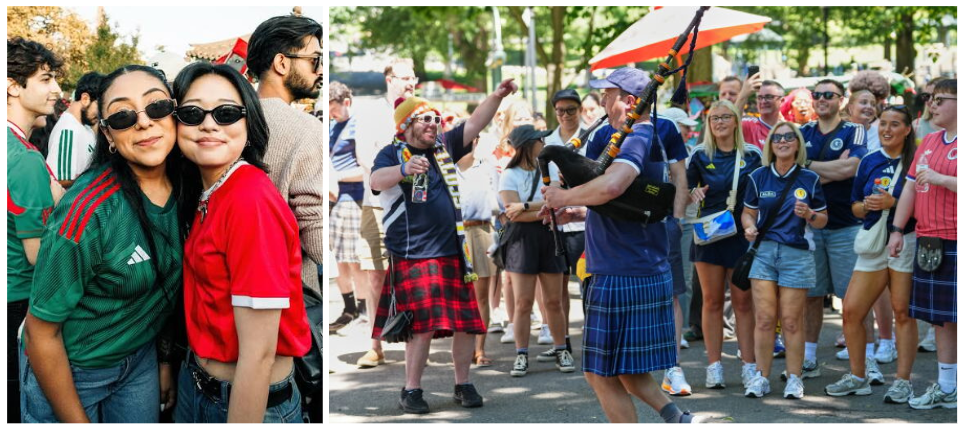
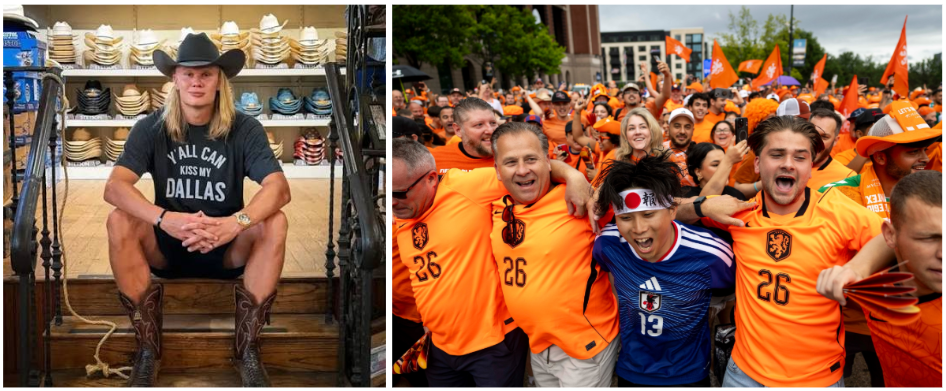
Similar moments unfolded throughout the tournament. South Korean and Mexican supporters formed real friendships. Scottish supporters embraced Boston, while Brazilian fans learned Scotland's national anthem. Mexican fans taught Swedish fans how to dance to No Rompas Mi Corazon. Norway's Erling Haaland and his teammates bought cowboy hats and boots in Texas. Japanese and Dutch fans exchanged jerseys, and Saudi Arabian and Spanish supporters played soccer together outside the stadium before kickoff.
(Los Angeles Korean Festival) (AP Photo/Martin Meissner)
(Erling Haaland) (Abigail Dollins)
But at the borders and airports, some have experienced a very different welcome.
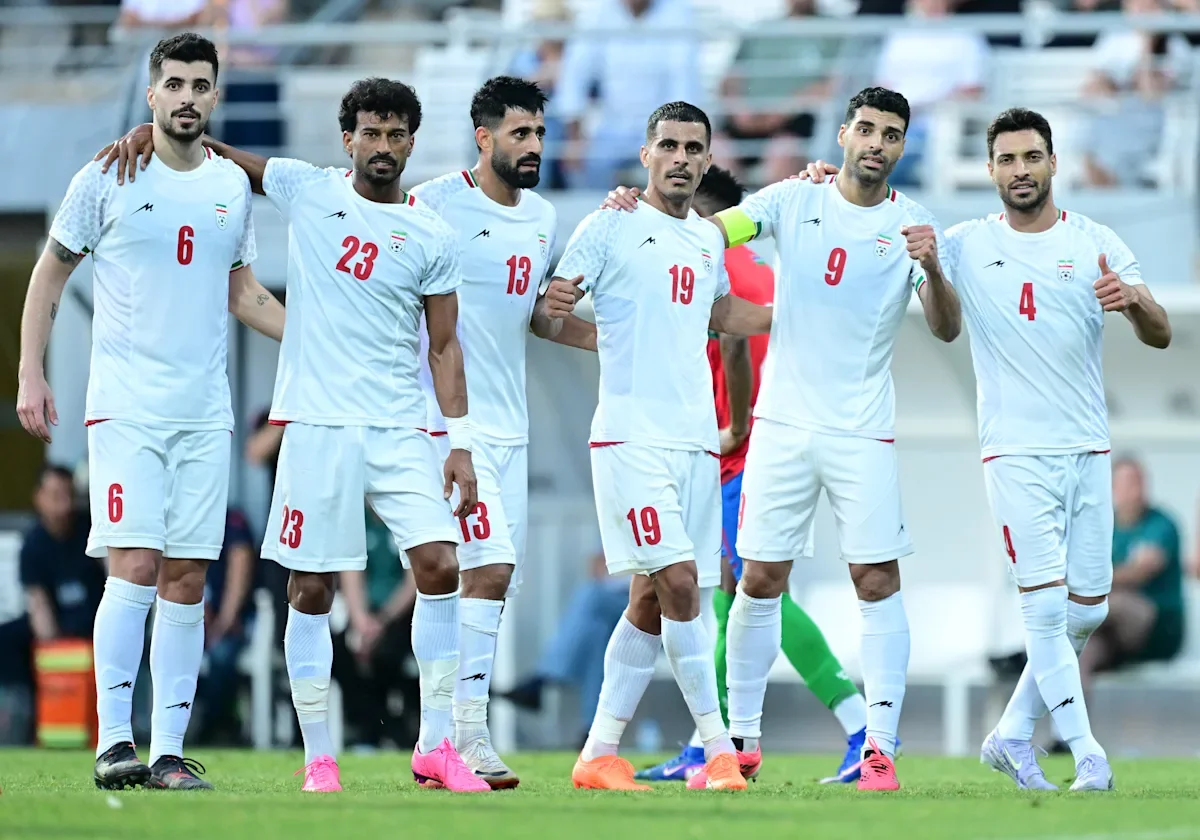
Omar Abdulkadir Artan, who was set to become the first Somali referee at a World Cup, was turned away in Miami despite holding a valid U.S. visa. An Iraqi player was detained for seven hours at Chicago O'Hare International Airport, while the team's photographer was denied entry altogether. Members of Iran's support staff were unable to enter the United States, forcing the team to base itself in Mexico and commute to matches, and Iranian supporters saw portions of their tickets and visas revoked shortly before the tournament began after having them secured for months beforehand.
Meanwhile, many of the immigrant workers who make events like the World Cup possible voted to authorize a strike over concerns about targeted immigration enforcement, retaining the right to walk off the job if they felt unsafe. More than 120 immigrants' rights organizations also issued travel warnings for people planning to attend the tournament.
(Orhan Cicek/Anadolu/Getty Images)
Moving Forward in Hope
The marching band learning Algeria's anthem and the officer turning away Somalia's referee existed in the same country, during the same week, at the same tournament.
The question isn't whether Americans are eager to welcome the world. This tournament has shown that they are.
The question is whether our policies reflect that spirit and what each of us can do to help build an immigration system that matches the generosity, openness, need for community, and welcome so many Americans already embody.
Thank you for continuing to stand with us as we advocate for a world where everyone, from the referee to the refugee child kicking a ball in a parking lot, is met with dignity and a true welcome.
Stay committed and hopeful,
Angela Werner for the We Choose Welcome Team
Summer 2026 intern
